


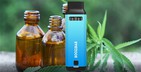

What’s the best way to take CBD oil?
CBD oil comes in several different dosage forms, and they all work differently. The most common forms include:
Inhaled (vaping or smoking)
Sublingual (under the tongue)
Oral (capsules or food-based edibles)
Topical (cream or lotion)
Transdermal (patches or gels/creams that are formulated to pass through the skin into the bloodstream)
Inhaling CBD works the quickest, but the effects don’t last very long. So people often choose to inhale CBD when they need fast relief, such as for anxiety or muscle spasms. But inhaling CBD can be harmful to your lungs, so it isn’t an ideal choice.
Sublingual and oral forms of CBD take longer to work (1 to 2 hours or more), but they also last longer once they take effect. So they may be better for ongoing symptoms that need long-lasting treatment, such as chronic pain.
Some oral and sublingual forms of CBD use a new technology called nano-formulation. This allows your body to absorb them faster so they don’t take as long to work. But they also won’t last as long. These products may be a good alternative to inhaled CBD, since they work pretty fast and don’t last a long time.
Most topical CBD products only work on the surface of the skin, so they’re best for skin-related conditions. But there are some patches, gels, and creams that are formulated to pass through the skin into the bloodstream (transdermal products). These may be helpful for muscle or joint pain when applied to the affected area, but there’s not a lot of evidence behind their use.
What’s the best dose of CBD oil?
There are no universal dosing guidelines on how much CBD oil you should take (except in the case of FDA-approved Epidiolex). Studies on CBD have looked at doses ranging anywhere from 16 mg to 1,000 mg.
For pain, a general dosing guideline is to start with 5 mg of CBD twice a day. You can then increase your dose by 10 mg every 2 to 3 days up to 40 mg a day. Research suggests that higher doses of CBD (300 mg to 600 mg) may be better for anxiety. More high-quality studies on humans are needed to identify effective doses for other conditions.
In general, experts recommend starting with a low dose of CBD and slowly increasing it over time. This helps you find the dose that works for you and helps lessen the chances of negative side effects. But remember to speak with your healthcare provider first. They can help you choose the right dose for your needs.
What are the side effects of CBD oil?
CBD is generally well tolerated, but it does have some side effects and risks to be aware of. The most common are:
Fatigue
Diarrhea
Nausea and vomiting
Decreased appetite
Weight changes
These side effects are more likely at higher doses, and often go away with time as your body adjusts to CBD. But if they don’t, consider lowering the amount of CBD you’re taking. You can also talk to your healthcare provider for guidance.
In rare cases, CBD can cause your liver enzymes to go up. This seems more likely with high doses of CBD or when it’s taken with certain medications.
The package insert for Epidiolex states that CBD may also increase the risk of suicidal thoughts or behaviors, although this isn’t clearly understood. If you notice a negative change in your mood after you start taking CBD, contact your healthcare provider right away.
Can CBD oil have harmful interactions with other medications?
Yes, CBD can interact with some medications, so it’s best to review your medication list with your healthcare provider before taking it. We list several possible CBD interactions below. But keep in mind, this isn’t a complete list of medications that can interact with CBD. The best way to prevent interactions is to speak with your healthcare provider before you take it.
Anti-seizure medications
The prescribing information for Epidiolex recommends a lower dosage of clobazam (Onfi) and valproic acid (Depakene) when they’re taken with CBD. That’s because CBD can increase levels of these medications in the body. This same interaction may happen with other seizure medications, but hasn’t been well-documented. One reason for this is that Epidiolex is only meant for people who haven’t responded to anti-seizure medications. So it’s likely they would be discontinued as Epidiolex is started. This makes interactions harder to identify.
Antidepressants
CBD may also raise the levels of certain antidepressants in the body when they’re taken together. This includes selective serotonin reuptake inhibitors such as sertraline (Zoloft). It also includes tricyclic antidepressants such as amitriptyline and monoamine oxidase inhibitors such as phenelzine (Nardil).
Sedating medications
CBD can cause sedation, so combining it with other medications that make you drowsy can make this side effect more severe. This includes some antihistamines, muscle relaxants, and beta blockers. Use caution when taking CBD with other medications that make you sleepy. And don’t drive until you know how the combination affects you.
Warfarin (Coumadin)
One case study showed evidence that CBD may increase warfarin levels in some people. It’s not well understood how likely this interaction is, but it’s still good to be aware of. If you’re taking warfarin, let your healthcare provider know before you start taking CBD. They may want to check your blood more often to keep an eye out for any signs of an interaction.
Caffeine
CBD may also cause the body to process caffeine slower. This can lead to higher levels of caffeine in the body, which can make you feel jittery. It may be a good idea to lower your caffeine intake if you start taking CBD.
Is CBD oil safe for children?
Epidiolex is the only form of CBD that’s been studied and approved for seizure disorders in children. But that doesn’t mean all CBD products are safe to give to children. As mentioned, CBD products sold OTC aren’t well regulated and may contain pesticides and heavy metals that are harmful to children. There also isn’t enough research to know how CBD can affect a developing brain.
There’s a lot of interest in CBD as a possible treatment for children with anxiety, autism spectrum disorder, and certain types of brain cancer. But until we have more information, it’s unclear if CBD is safe or effective for these conditions.
If you’re interested in CBD as a treatment option for your child, it’s best to speak to a healthcare professional for guidance.
The bottom line
CBD oil is FDA approved for certain types of epilepsy in children. It’s also widely available OTC in several different dosage forms. There’s some evidence CBD may help with anxiety, pain, and sleep. It may also help with depression and substance use disorders. But there’s not a lot of clinical data to know what dose or forms of CBD work best.
CBD products sold OTC aren’t well-regulated, so use caution when purchasing them. It’s best to talk to your healthcare provider before starting CBD. They can help you find the right dose for your needs and screen for any possible drug interactions.
What is CBD oil?
CBD oil is made by extracting CBD from the cannabis plant. It is then diluted with a carrier oil such as coconut or hemp seed. The concentration and uses of CBD oils can vary.
Growing research is demonstrating how CBD oil can provide pain relief for people with certain health complications, without the addition of any mind-altering effects.
CBD oil and diabetes
The benefits of CBD for treating diabetes-related health problems may include reduced inflammation and improved blood glucose control.
Meanwhile, in 2016, University of Nottingham researchers showed that CBD in combination with another cannabis compound called tetrahydrocannabivarin (THCV), helped lower blood sugar levels and increase insulin production in people with type 2 diabetes. [362]
GW Pharmaceuticals, a UK-based company, has developed a cannabis spray called Sativex which utilises both CBD and THCV to help treat muscle spasms in multiple sclerosis. The company is in the process of developing a similar spray which could aid blood sugar control in type 2 diabetes.
Studies have also shown that CBD oil has benefits for people with epilepsy, mental health disorders such as anxiety and depression, and helping people quit smoking. [362]
How does CBD oil work?
CBD oil is believed to activate a number of receptors in the body, influencing the body to produce naturally-occurring cannabinoids.
The human body has two receptors for cannabinoids: CB1 and CB2. Most CB1 receptors are found in the brain, which deal with coordination, movement and appetite. CB2 receptors are more commonly found in the immune system and affect pain and inflammation.
By activating receptors such as adenosine, serotonin and vanilloid, CBD can affect your body temperature, inflammation and perception of pain.

How to use CBD oil
CBD oil can be used in a number of ways. Most often, instructions will recommend putting a few drops under the tongue 2-3 times a day. Alternatively, some CBD oils can be mixed into different foods or drinks, taken from a pipette or used as a thick paste to be massaged into the skin.
Side effects of CBD oil
A 2015 study of CBD oil effects in humans concluded that CBD is generally well-tolerated and considered safe. However, it can cause certain adverse reactions such as diarrhea and stomach ache. [363]
Additionally, CBD may interact with existing medication. It is therefore important to discuss using CBD oil with your doctor beforehand, to help ensure it is used safely and any harmful effects are avoided.
| cbd vape pen |
| cbd vape oil |
| cbd tincture |
| best vape pen |
| cbd oil vape |
| cbd pen |
| dab pens |
| cbd vape cartridge |
| vaping cbd |
| oil vape pen |
| disposable vape |
| best cbd vape juice |
| best cbd vape |
| cbd vape kit |
| vaping cbd oil |
| cbd oil vape pen starter kit |
| oil pen |
| best vape pens |
| cbd oil vape pen |