








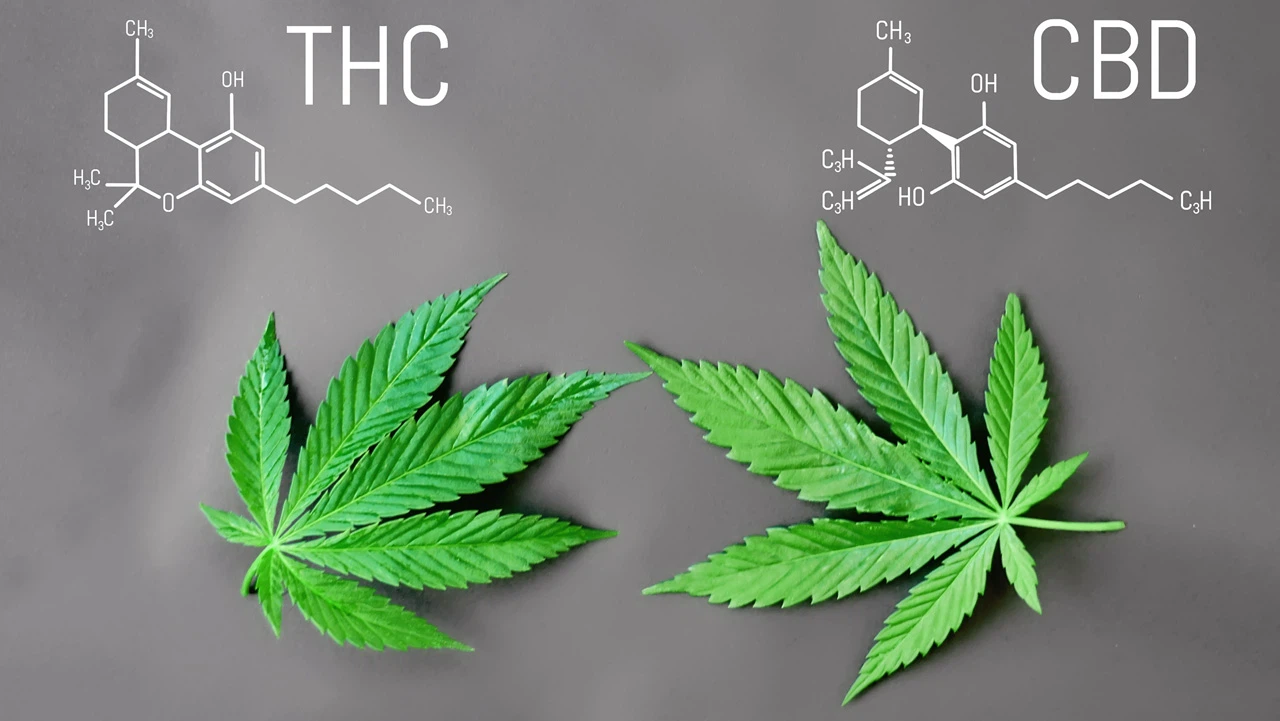
As you may know, CBD and THC are two of the most well-known cannabinoids found in the cannabis plant, and they have a few things in common. These commonalities relate to their chemical structure, therapeutic potential, and interaction with the endocannabinoid system.
CBD and THC have the following things in common
1. Common chemical structure:
- CBD (cannabidiol) and THC (delta-9-tetrahydrocannabinol) share a common chemical structure consisting of 21 carbon atoms, 30 hydrogen atoms and 2 oxygen atoms. They are part of a larger class of compounds called cannabinoids.
2. Interaction with the endocannabinoid system:
- CBD and THC interact with the endocannabinoid system (ECS), a complex network of receptors, enzymes and endocannabinoids that play a key role in maintaining homeostasis important role. Both cannabinoids can bind to cannabinoid receptors, specifically the CB1 and CB2 receptors, although they have different affinities for these receptors.
- CBD is known as a non-toxic cannabinoid because it does not bind strongly to CB1 receptors in the central nervous system. Instead, it indirectly affects the overall balance of the system by affecting other receptors and enzymes to regulate the ECS.
- On the other hand, THC has a high affinity for CB1 receptors, especially in the brain. This interaction results in the psychoactive effects associated with THC consumption.
3. Medicinal potential:
- Both CBD and THC show great medicinal potential and research into their therapeutic applications is ongoing.
- CBD is widely recognized for its potential to relieve various health conditions, including anxiety, depression, epilepsy, chronic pain and inflammation. It's even been approved as a treatment for a rare form of epilepsy.
- THC is known for its analgesic (pain relief), antiemetic (nausea and vomiting) and appetite stimulating properties. It is commonly used in cancer patients undergoing chemotherapy and in patients with chronic pain.
- Some medical treatments may involve a combination of CBD and THC for a synergistic effect known as the "entourage effect".
4. Potential synergies:
- CBD and THC are often found together in cannabis plants, and some research suggests they may have synergistic effects when used in combination. This means that when combined, they may enhance each other's therapeutic effects while mitigating unwanted side effects.
- The entourage effect means that there are multiple cannabinoids, terpenes and other compounds present in the cannabis plant that work together to create a more potent and holistic healing experience.
- Some medical cannabis products are formulated with specific ratios of CBD to THC to maximize potential synergistic effects against various health conditions.
5. Anti-inflammatory properties:
- Both CBD and THC have been shown to have anti-inflammatory properties in both preclinical and clinical studies.
- Inflammation is a common underlying factor in many health conditions, including autoimmune diseases, chronic pain, and neurodegenerative diseases. By reducing inflammation, CBD and THC may provide relief for individuals suffering from these conditions.
- These anti-inflammatory effects may be mediated through interactions with the ECS and other molecular pathways involved in the immune response.
6. Neuroprotective Potential:
- Both cannabinoids have shown promise as neuroprotectants, meaning they may help protect the brain and nervous system from damage and degeneration.
- The neuroprotective properties of CBD have been studied in the context of neurodegenerative diseases such as Alzheimer's and Parkinson's.
- The neuroprotective potential of THC has been explored in animal studies, especially in the context of traumatic brain injury and certain neurological disorders.
In summary, CBD and THC share chemical structure, interaction with the endocannabinoid system, medicinal potential, potential synergy, anti-inflammatory properties, and neuroprotective potential. These common aspects contribute to the rich pharmacological profile of cannabis, making it the subject of continued scientific interest and exploration in medicine and health. It is worth noting, however, that the effects of these cannabinoids vary greatly due to factors such as dosage, method of consumption, and individual differences, so they should be used with caution and, if necessary, under the guidance of a healthcare professional.