







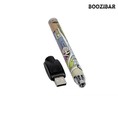
Is vaping CBD hard on the lungs?
Vaping has become an increasingly popular method of consuming different substances, including CBD (cannabidiol). CBD, a non-psychoactive compound found in cannabis plants, has gained attention for its potential therapeutic benefits. However, concerns have been raised about the potential effects of vaping CBD on the lungs. In this article, we will explore the current scientific understanding of vaping CBD and its impact on respiratory health.
Understanding Vaping CBD
Vaping involves the inhalation of vapor produced by heating a liquid or oil containing CBD. This process is facilitated by electronic devices called vaporizers or e-cigarettes. Vaping has been promoted as a safer alternative to smoking traditional cigarettes, as it eliminates the combustion of tobacco that releases harmful toxins and carcinogens.
CBD can be extracted from the cannabis plant in two ways: from hemp or marijuana. Hemp-derived CBD contains trace amounts of THC (tetrahydrocannabinol), which is the psychoactive component of cannabis responsible for the "high" sensation. On the other hand, marijuana-derived CBD may contain higher levels of THC.
The Dangers of Vaping
Over the past few years, vaping has faced a significant amount of scrutiny due to several health concerns. In 2019, an outbreak of lung injuries associated with vaping led to the identification of a condition called e-cigarette or vaping product use-associated lung injury (EVALI). The Centers for Disease Control and Prevention (CDC) reported over 2,800 hospitalized cases and 68 deaths in the United States.
Although most of the EVALI cases were linked to the use of e-cigarettes containing THC, some individuals reported using CBD-containing products as well. This raised concerns about the potential risks of vaping CBD.
The Role of Carrier Liquids
One factor that may contribute to lung issues associated with vaping is the presence of carrier liquids. CBD e-liquids often contain a mixture of components, including propylene glycol (PG) and vegetable glycerin (VG). These substances are commonly used in many e-cigarette liquids to create aerosols when heated.
PG is a synthetic substance known to have irritant effects on the respiratory system. It can cause symptoms such as dry throat, throat irritation, and coughing. VG, on the other hand, is considered to be safer and more natural, as it is derived from vegetable oils. However, some individuals may still experience adverse reactions when inhaling VG.
Potential Lung Effects of Vaping CBD
Research specifically examining the effects of vaping CBD on lung health is limited. Most studies have focused on the general risks of vaping and the potential adverse effects of cannabis use.
Some studies suggest that vaping in general may lead to respiratory symptoms, such as coughing, wheezing, and shortness of breath. Findings from a study published in the International Journal of Environmental Research and Public Health indicated that vaping can cause airway resistance and significant inflammatory responses in the lungs.
However, it is important to note that these studies did not solely focus on CBD vaping. More research is needed to determine the specific effects of vaping CBD on lung health.
The Importance of Quality Control
Another aspect to consider when evaluating the potential effects of vaping CBD on the lungs is the quality control of CBD products. The CBD market is largely unregulated, and there have been reports of mislabeling and contamination in some products.
Certain additives and thinning agents used in CBD vape products may pose additional risks to respiratory health. For example, some manufacturers may use cutting agents like vitamin E acetate, which has been linked to lung injuries in the EVALI outbreak mentioned earlier.
Therefore, it is crucial for consumers to choose reputable brands that prioritize quality and transparency. Third-party lab testing can provide assurance that CBD products are free from harmful contaminants and accurately labeled.
Safer Alternatives to Vaping CBD
If concerns about vaping CBD persist, individuals may consider alternative methods of consumption that pose fewer risks to respiratory health. Some options include:
1. Sublingual CBD oil: Administering CBD oil under the tongue allows for absorption through the sublingual gland, bypassing the lungs altogether.
2. CBD edibles: Consuming CBD in the form of gummies, capsules, or other edibles eliminates the need for inhalation and offers a longer-lasting effect.
3. Topical CBD products: Lotions, creams, and balms infused with CBD can be applied directly to the skin, providing localized relief without entering the bloodstream.
Closing Thoughts
While the research on the specific impact of vaping CBD on lung health is limited, there is evidence to suggest that vaping, in general, may have adverse effects on respiratory function. The presence of carrier liquids and potential contaminants in CBD vape products further complicates the issue.
Therefore, individuals concerned about the potential risks of vaping CBD on their lungs may want to explore alternative consumption methods. Choosing high-quality CBD products and prioritizing products that undergo rigorous third-party testing can help ensure safety and minimize potential harm. As always, consulting with a healthcare professional is advised before starting any new CBD regimen.