






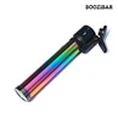

Is a Joint Better than a Herb Vaporizer?
Introduction:
When it comes to consuming cannabis, there are various methods available, including smoking a traditional joint or using a modern herb vaporizer. Both methods have their own advantages and drawbacks, which can make it challenging for individuals to choose the best option for their needs. In this article, we will delve into the pros and cons of joints and herb vaporizers, aiming to provide a comprehensive understanding to help you make an informed decision.
What is a Joint?
A joint is a classic method of cannabis consumption that involves rolling dried herb in a thin paper and smoking it. The process typically involves grinding the herb, placing it in the paper, and rolling it tightly. Joints are often seen as a more traditional and social way to enjoy cannabis, with the act of passing a joint among friends often seen as a bonding experience.
*Pros of Joints:*
1. Accessibility: Rolling a joint is a simple and accessible method of consuming cannabis. You only need rolling papers, herb, and a grinder, making it convenient for those who prefer a straightforward approach.
2. Ritualistic Experience: Many people enjoy the ritualistic aspect of rolling and smoking joints. The process of grinding the herb, rolling the joint, and igniting it can be seen as an enjoyable and familiar routine.
3. Immediate Effects: When smoking a joint, the cannabinoids are rapidly absorbed into the bloodstream through the lungs, providing immediate effects.
4. Social Aspect: Sharing a joint with friends can be a social activity, allowing for conversations and bonding over the shared experience.
*Cons of Joints:*
1. Combustion: Joints require the herb to be ignited, leading to combustion and the production of smoke. This combustion process creates potentially harmful byproducts, such as tar and other carcinogens, which can be damaging to the respiratory system when consumed regularly.
2. Odor and Smoke: Smoking a joint produces a strong and distinct odor that can linger in the environment. The smoke can also be irritating to the eyes and throat, which may be a concern for some individuals.
3. Inefficient Use of Herb: Joints can be less efficient in terms of herb consumption. The burning process can lead to some loss of cannabinoids due to combustion, reducing the overall effectiveness of the herb.
4. Dose Control: It can be challenging to control the dose when smoking a joint. The amount of herb used and the rate at which it burns can vary, making it difficult to achieve consistent effects.
What is a Herb Vaporizer?
A herb vaporizer, on the other hand, is a device that heats the cannabis herb to a temperature that vaporizes the active compounds without combustion. The vapor produced can then be inhaled without the harmful byproducts associated with smoking.
*Pros of Herb Vaporizers:*
1. Health Benefits: One of the significant advantages of herb vaporizers is that they eliminate the combustion process, reducing the intake of harmful toxins and carcinogens. Vaporizing cannabis is considered a healthier alternative to smoking, especially for those with respiratory issues.
2. Enhanced Flavor and Aroma: Vaporizing cannabis preserves the natural flavors and aromas of the herb, providing a more enjoyable and true-to-strain experience.
3. Efficient Use of Herb: Vaporizers are known for their efficiency in utilizing cannabis. The process of vaporization extracts the active compounds without burning the herb, maximizing the potential effects of each session.
4. Temperature Control: Most herb vaporizers allow users to set and control the temperature at which the herb is heated. This feature allows for personalized experiences, as different cannabinoids vaporize at different temperatures, offering varying effects.
*Cons of Herb Vaporizers:*
1. Initial Cost: Herb vaporizers tend to be more expensive upfront compared to purchasing rolling papers. However, many users find that the long-term savings on herb outweigh the initial investment.
2. Learning Curve: Using a vaporizer correctly may require some learning and understanding of the device functions. Different vaporizers have unique settings, and it can take time to find the optimal temperature and technique that suits individual preferences.
3. Battery Life and Maintenance: Some herb vaporizers rely on batteries, which can have limited life spans and may require regular recharging. Additionally, vaporizers need to be cleaned regularly to ensure optimal performance, which can be seen as an added task for some users.
Conclusion:
Ultimately, whether a joint or a herb vaporizer is better depends on personal preferences, health concerns, and desired experiences. Joints offer a familiar and social ritual, but come with the downside of combustion and potential health risks. On the other hand, herb vaporizers provide a healthier and more efficient method of consuming cannabis, but may require more upfront investment and a learning curve. Consider these factors, weigh the pros and cons, and make an informed decision that aligns with your needs and preferences. Remember, responsible cannabis consumption always prioritizes moderation and awareness of personal health.