







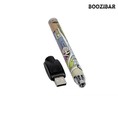

The prevalence of CBD oil (cannabidiol) is skyrocketing. Once only found in novelty or health stores, it can now be spotted in local grocery stores, pharmacies, and even yoga studios. CBD oil comes in various forms, including oral drops, roll-ons for skin application, and vaping solutions. Some producers incorporate CBD oil into edible products, creating a wide range of options for consumption.
However, what exactly is CBD oil, and how does it impact cancer patients? Can it truly treat or even cure cancer, as well as alleviate its symptoms? To distinguish fact from fiction, we consulted Dr. Kimberson Tanco. Here's what he wants cancer patients to be aware of:
Understanding CBD Oil, Marijuana, and Hemp:
Both marijuana and hemp are strains of the cannabis sativa plant, containing the commonly known active compounds cannabidiol (CBD) and tetrahydrocannabinol (THC). The significant distinction is that hemp has substantially lower THC levels than typical marijuana plants. Additionally, CBD does not induce psychoactive effects like THC, making it less likely to cause mental confusion, drowsiness, or hallucinations.
Can CBD Oil Cure Cancer?
At present, there is no scientific evidence supporting the claim that CBD oil can cure cancer.
Managing Cancer Symptoms and Treatment Side Effects with CBD Oil:
The effects of CBD oil on cancer symptoms and treatment side effects remain uncertain due to mixed study results and limited standardization.
FDA Approval for CBD-Oil Derived Products:
Epidiolex is the only CBD-oil derived product approved by the U.S. Food and Drug Administration (FDA). It was originally endorsed in 2018 to treat two epilepsy-related conditions: Lennox-Gastaut syndrome and Dravet syndrome. Apart from Epidiolex, no other CBD product has been FDA-approved for medical purposes.
Concerns and Dangers of Using CBD Oil:
Quality, cleanliness, and regulation are primary concerns when using CBD oil. Due to limited regulations, the amount of CBD or THC in a product can be uncertain. Cross-contamination is possible in labs producing both CBD and THC products. Some CBD products have been found to contain illicit substances, posing health risks.
Potential Side Effects of CBD Oil:
CBD oil may adversely affect liver function and interact with drug-metabolizing enzymes. Cancer patients must inform their healthcare providers about CBD oil usage to ensure drug interactions are managed properly.
Legal Status of CBD Oil:
The legality of CBD oil varies significantly across states and at the national level. CBD from marijuana remains federally illegal for medical use. State laws differ, making the legality of CBD products complex and inconsistent.
Crucial Advice for Cancer Patients:
There is still much to learn about CBD oil's effects. Always inform your healthcare team about CBD oil usage to prevent interactions with cancer treatments or medications. Be cautious of products making health-related claims, as Epidiolex is the only FDA-approved product.
Dr. Kimberson Tanco, a supportive care specialist at MD Anderson, underscores the importance of transparency with healthcare professionals regarding CBD oil use.
Remember, consulting your healthcare provider is crucial before incorporating CBD oil or any new treatment into your healthcare regimen.